Japan’s Classroom Nap Culture: Why Some Schools Allow Sleeping (and Why Other Countries Don’t)
In many countries, a student sleeping in class is seen as disrespectful, lazy, or a sign of poor discipline. But in Japan, the situation is more complex. The idea of students briefly resting during lessons—often referred to as classroom napping culture—has been observed for decades. While it is not officially written into school rules as “nap time,” it is widely recognized as something that happens, especially among older students. In some cases, short periods of sleeping during class are tolerated, and the behavior is not always punished harshly.
This phenomenon is closely tied to Japan’s intense education system, long study hours, and demanding social expectations. Students often juggle school, cram schools, homework, and club activities, leaving little time for proper rest. As a result, fatigue becomes part of daily student life.
This article explores why classroom napping is tolerated in Japan, what it says about learning culture, and whether other countries could realistically apply a similar approach without harming discipline, learning quality, or classroom structure.
What “Classroom Napping” Looks Like in Japan
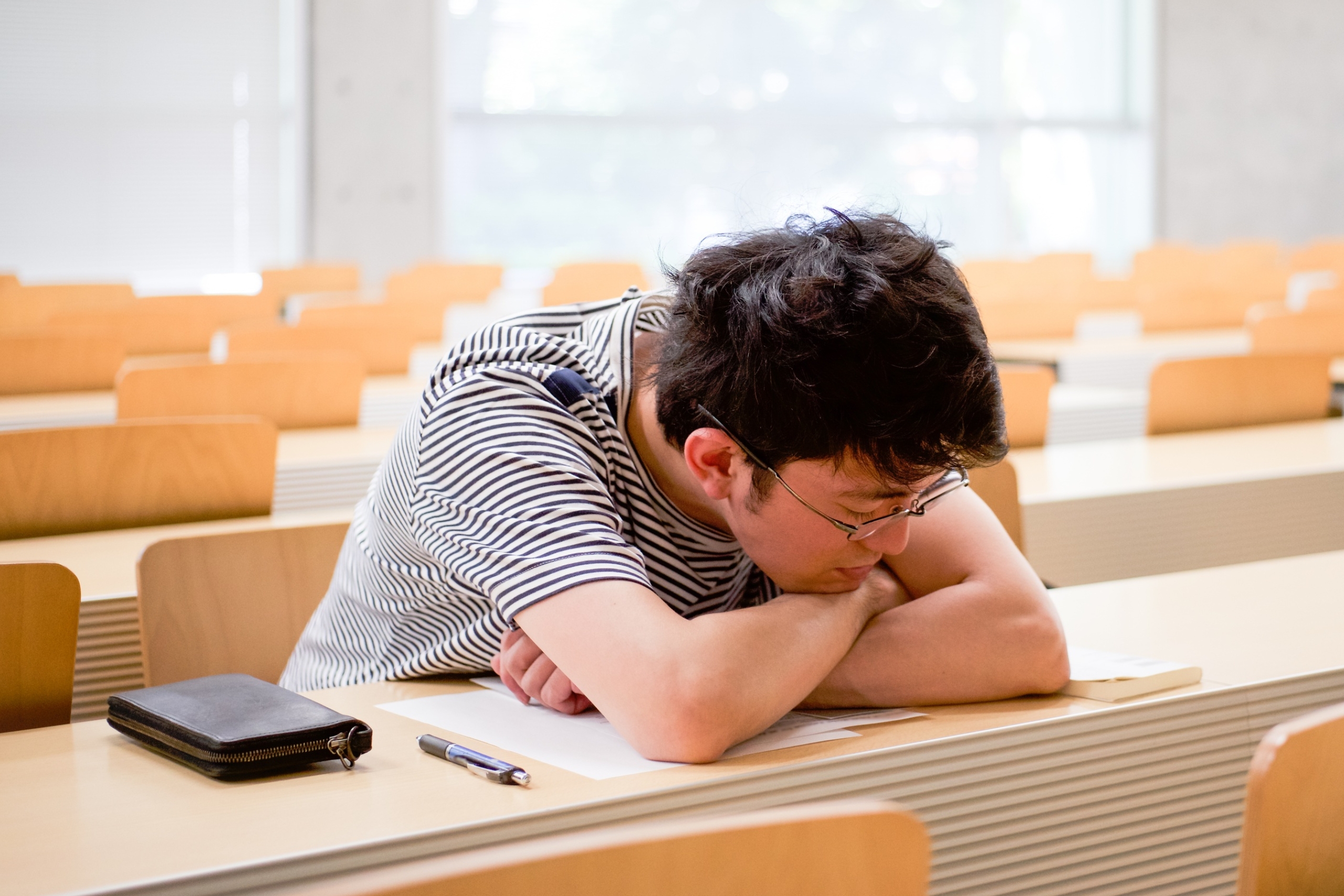
Classroom napping in Japan is not usually a scheduled activity like the nap time found in kindergarten. It is more informal and often happens in middle school, high school, and even university settings. Students may rest their heads on desks, close their eyes for a few minutes, or appear half-asleep during lectures.
Teachers often respond differently depending on the situation. If the student is generally hardworking, performs well academically, and does not disrupt the class, a teacher may ignore the behavior. This tolerance is not necessarily because teachers believe sleeping improves learning, but because they understand the exhaustion many students face.
In Japanese culture, being tired is sometimes interpreted as evidence of effort. A student who falls asleep may be seen as someone who worked hard late into the night studying or attending cram school. This mindset can reduce the stigma around classroom fatigue.
Within the broader context of education and learning trends shaping student performance, Japan’s classroom nap culture reflects how school systems respond when students are pushed to their physical limits.
Japan’s Heavy Study Culture and Student Exhaustion
Japan’s education system is known for academic pressure and long study routines. Many students attend regular school during the day and then go to juku (cram school) in the evening. Juku focuses on exam preparation and often runs late, leaving students with little free time.
Students also participate in club activities that can last several hours after school. Sports clubs, music groups, and cultural organizations are seen as important for discipline and social development, but they also reduce time for rest.
This routine creates a lifestyle where sleep becomes the first sacrifice. Students may stay up late finishing homework, studying for tests, or preparing for entrance exams. Over time, chronic sleep deprivation becomes normalized.
Because of this, classroom napping is less about laziness and more about survival. Teachers and classmates may accept it as part of the system.
The deeper issue is that sleep deprivation reduces concentration and memory. While a short nap might help temporarily, it does not solve the underlying problem of student overload.
Cultural Attitudes Toward Sleep, Discipline, and Effort
Japan has a unique cultural relationship with tiredness. In some environments, being visibly exhausted can be interpreted as proof of dedication. This idea exists not only in schools but also in workplaces, where long hours are sometimes treated as a badge of honor.
This cultural attitude influences how classroom sleep is perceived. A student who is exhausted may not automatically be judged as irresponsible. Instead, the assumption may be that they are working hard.
In many Western school systems, sleeping in class is often seen as disrespectful. Teachers may interpret it as a lack of interest or a behavior problem. Cultural expectations around classroom etiquette differ greatly.
Japan’s tolerance also reflects respect for authority. Students rarely talk back or challenge teachers, even when exhausted. So sleeping quietly may be seen as less disruptive than other forms of misbehavior.
However, tolerance does not mean approval. Many teachers still encourage students to stay awake, and schools still value discipline. The difference is that the response is often softer, especially for students who are known to work hard.
Would Classroom Naps Improve Learning in Other Countries?
The idea of allowing students to nap in class sounds appealing, especially because sleep is scientifically linked to memory and learning. Short naps can improve alertness, focus, and emotional regulation.
However, implementing classroom naps in other countries would not be simple. Many school systems already struggle with time management and curriculum pressure. Adding nap sessions could reduce teaching time unless schedules are adjusted.
There is also the question of classroom control. In countries where student discipline is already challenging, allowing naps might be misused. Students could pretend to sleep to avoid participation, or naps could become distractions rather than recovery.
A more realistic approach may be scheduled “rest breaks” rather than sleeping directly during lessons. For example, schools could provide short quiet periods between classes, encourage mindfulness, or adjust start times for older students.
For readers interested in modern classroom methods and student success strategies, Japan’s example raises an important question: should schools prioritize performance, or should they also prioritize rest and human limits?
The Real Issue: School Schedules and Sleep Deprivation
The biggest takeaway from Japan’s classroom nap culture is not that sleeping in class is good. The bigger message is that students are often not getting enough sleep at home. Classroom naps are a symptom of a larger structural problem.
Many experts argue that schools should address sleep deprivation through schedule reform. Research in multiple countries has suggested that later school start times improve academic performance, attendance, and mental health for teenagers.
Teenagers naturally have later sleep cycles, meaning early start times force them to wake up before their bodies are ready. When combined with homework, extracurriculars, and screen time, the result is chronic fatigue.
Japan’s system adds another layer through cram schools and exam pressure. Other countries may not have juku, but they still have competitive academic cultures that encourage students to sacrifice rest.
Instead of adding naps, improving student sleep quality may be the smarter long-term solution. Schools and parents both play roles in creating healthier routines.
What Other Countries Can Learn From Japan’s Approach
Other countries may not be able to copy Japan’s classroom nap culture directly, but they can learn from the reality behind it. Japan shows what happens when academic pressure becomes so intense that exhaustion becomes normal.
One lesson is that students are not machines. Even the most disciplined learners struggle when sleep is consistently limited. Schools that demand performance without supporting wellness may unintentionally reduce learning outcomes.
Another lesson is the importance of empathy. Japanese teachers who tolerate classroom sleep are often responding with understanding rather than punishment. This does not mean they encourage it, but it shows awareness of student workload.
Countries that want to improve education should focus on healthier learning environments. This can include mental health support, reasonable homework loads, and better balance between academics and personal life.
For readers who follow practical learning insights for today’s evolving education systems, Japan’s classroom sleep phenomenon is a reminder that real learning requires rest, not just effort.
Conclusion
Japan’s classroom nap culture is not an official school policy, but it is a real phenomenon shaped by intense academic pressure, long study hours, and cultural attitudes that connect tiredness with effort. Students who fall asleep in class are often not seen as lazy, but as exhausted individuals trying to keep up with demanding schedules. While short naps can temporarily improve alertness, classroom sleeping is ultimately a symptom of deeper sleep deprivation and student overload. Other countries may find the idea interesting, but applying it directly could create challenges related to discipline, curriculum time, and classroom structure. A more effective approach would be addressing the root causes of fatigue through healthier school schedules, balanced workloads, and stronger support for student wellness. Japan’s example highlights an important truth: education systems that push students too hard may reduce the very learning outcomes they aim to improve. Rest is not the enemy of success—it is one of the foundations of real concentration, memory, and long-term academic growth.