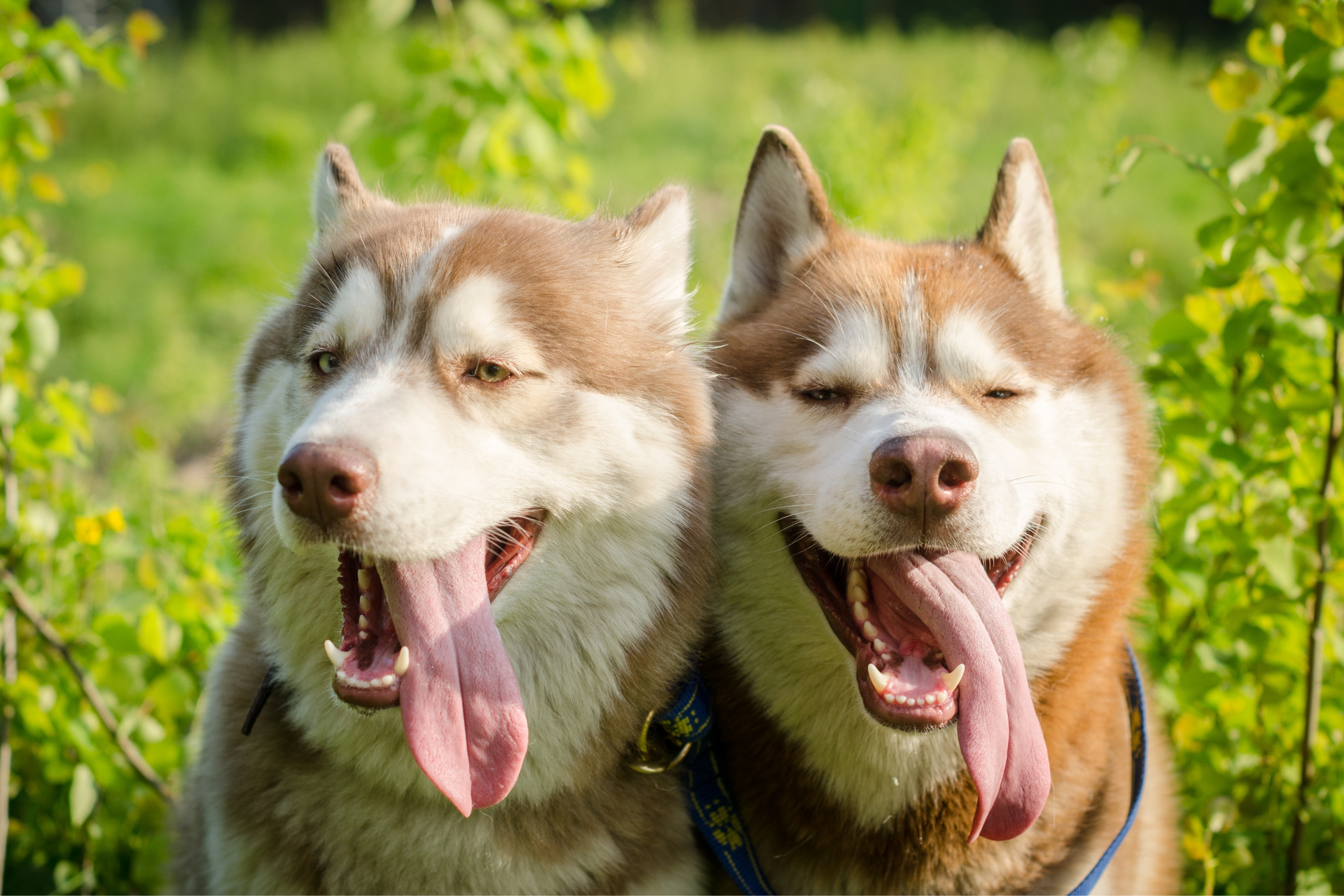
How to Care for Cold-Weather Dog Breeds in a Tropical Country: Preparation, Safety, and Daily Comfort
Cold-weather dog breeds are known for their thick coats, strong endurance, and ability to thrive in snowy climates. Breeds like Huskies, Malamutes, Saint Bernards, Samoyeds, and Bernese Mountain Dogs were built for colder environments, which makes them especially sensitive when living in tropical countries. While these dogs can live happily in warm climates, they require extra preparation, daily care, and thoughtful lifestyle adjustments to stay healthy and comfortable.
Many pet owners assume that shaving a cold-weather dog’s fur is the solution, but that can actually make overheating worse. Others underestimate how quickly heat stress can develop in hot, humid conditions. Tropical weather affects a dog’s breathing, energy levels, hydration needs, and even skin health.
Caring for a cold-weather breed in a tropical country is not impossible, but it demands responsibility. This guide explains how to prepare a home, manage daily routines, prevent heat-related illnesses, and ensure long-term comfort. It also covers grooming, exercise scheduling, and signs of overheating that every owner should recognize.
Understanding Why Cold-Weather Dogs Struggle in Tropical Climates
Cold-weather breeds were developed for harsh winters. Their thick double coats trap warmth, and their bodies are designed to conserve heat. In tropical climates, this natural design can become a disadvantage. Heat and humidity make it harder for these dogs to regulate body temperature.
Dogs cool themselves mainly through panting, not sweating. In humid weather, panting becomes less effective because the air is already saturated with moisture. This increases the risk of overheating, especially during outdoor walks or playtime.
Some cold-weather breeds also have thick undercoats that shed seasonally. In tropical environments, they may shed more frequently or unevenly because their bodies struggle to adapt. This can lead to matting, skin irritation, and discomfort if grooming is not managed properly.
Owners should also understand that heat stress is not always obvious. Some dogs appear energetic but can still overheat quickly. Others become lazy, slow, or unwilling to move, which is often a protective response.
Within the broader world of pet care tips for climate adaptation and seasonal dog comfort, understanding breed limitations is the first step to responsible ownership.
Creating a Cool and Safe Home Environment
A cold-weather dog living in a tropical country needs a home environment designed for cooling. Unlike short-coated breeds that can tolerate warmth more easily, thick-coated dogs need constant access to shade, airflow, and cool resting spaces.
Air conditioning is one of the most effective tools for keeping these dogs comfortable. If full-time AC is not possible, fans and strong ventilation are essential. Keeping windows open, using cooling curtains, and allowing airflow through the house can make a noticeable difference.
Dogs should also have access to cool flooring. Tiles and smooth floors are usually more comfortable than carpets, which trap heat. Many owners create a dedicated “cool zone” where the dog can rest peacefully without direct sunlight.
Cooling mats can also help. These are designed to absorb body heat and provide relief, especially during midday heat. Fresh water should always be available in multiple areas of the home.
Outdoor dogs are at higher risk. If a dog must stay outside, it needs shade, a cooling station, and constant access to water. However, cold-weather breeds should ideally spend most of their time indoors in tropical climates.
Exercise Scheduling and Outdoor Safety
Exercise is important for cold-weather breeds because many of them are energetic working dogs. However, tropical heat makes outdoor activity dangerous if it is not scheduled correctly.
The safest times for walks are early morning and late evening, when temperatures are lower and the sun is less intense. Midday walks should be avoided, especially in humid conditions.
Owners should also pay attention to pavement heat. Sidewalks and roads can become extremely hot and burn a dog’s paws. A simple test is placing a hand on the pavement for five seconds. If it feels too hot for a hand, it is too hot for a dog’s paws.
Shorter walks are often better than long ones. Cold-weather breeds can still exercise in tropical climates, but intensity should be reduced. Indoor exercise becomes more important, including interactive toys, training games, and short play sessions.
Water-based activities are excellent options. Swimming can help these dogs stay active without overheating, as long as water safety is managed.
For owners seeking practical pet wellness guidance for active dogs in warm climates, exercise timing is one of the most important daily habits.
Grooming: What Helps and What Makes Things Worse
Grooming is a major part of caring for cold-weather dogs in tropical countries. Many owners assume shaving the dog is the best solution, but this can actually be harmful. A double coat does not only trap heat—it also protects the skin from sunburn and helps regulate temperature.
Shaving can expose the skin to direct sunlight, increasing the risk of burns and skin irritation. It can also cause uneven regrowth, leading to coat damage and long-term grooming problems.
Instead of shaving, owners should focus on brushing. Regular brushing removes loose undercoat and improves airflow through the fur. During heavy shedding seasons, brushing may be needed daily.
Professional grooming is helpful, especially for breeds like Huskies, Samoyeds, and Malamutes. Groomers can properly de-shed without damaging the coat.
Bathing should also be managed carefully. Overbathing can dry the skin and cause irritation, but occasional baths with gentle shampoo can help reduce odor and remove dirt.
A clean, brushed coat is far more effective for cooling than a shaved coat. Grooming is not just about appearance—it directly affects comfort.
Nutrition, Hydration, and Heat-Friendly Feeding Habits
Tropical climates affect how dogs eat and drink. Cold-weather breeds may lose appetite during extreme heat, which is normal. However, owners should still ensure they receive proper nutrition.
Hydration is critical. Dogs should always have access to clean, cool water. Some owners add ice cubes to water bowls, but it is better to keep water fresh rather than extremely cold, which some dogs may avoid.
Wet food can help increase hydration. Some owners also provide dog-safe frozen treats like ice cubes made with diluted broth or small pieces of fruit (such as watermelon, without seeds). These can provide cooling relief.
Meal timing can also help. Feeding early in the morning or later in the evening may encourage better appetite, as the dog is less overheated.
Owners should avoid heavy, high-fat meals during the hottest parts of the day. Lighter meals and consistent feeding schedules support digestion and energy.
Proper nutrition supports coat health, immune function, and long-term well-being. In tropical climates, feeding habits should be adjusted to match the dog’s comfort and hydration needs.
Recognizing Heat Stress and Preventing Emergencies
One of the most important responsibilities of owning a cold-weather dog in a tropical country is recognizing heat stress early. Heat exhaustion can become heatstroke quickly, and heatstroke is a medical emergency.
Common signs of overheating include heavy panting, drooling, rapid heartbeat, weakness, vomiting, bright red gums, and confusion. Some dogs collapse or refuse to move. Owners should take these signs seriously.
If a dog shows signs of heatstroke, it should be moved to a cool area immediately. Cooling should be gradual. Using cool (not ice-cold) water, wet towels, and airflow helps reduce body temperature safely. Veterinary care should be sought immediately.
Prevention is always better than emergency response. Owners should avoid long outdoor exposure, never leave dogs in parked cars, and always provide shade and water.
Tropical living can be safe for cold-weather breeds, but only when owners remain attentive. Comfort is not optional—it is a health requirement.
For readers interested in responsible pet ownership habits for long-term dog health, heat safety is one of the most important topics, especially in warm climates.
Conclusion
Caring for cold-weather dog breeds in a tropical country is absolutely possible, but it requires extra preparation and consistent daily responsibility. These dogs are naturally built for colder climates, which means tropical heat and humidity can place stress on their bodies, especially when exercise, grooming, and home environments are not adjusted properly. The safest approach includes keeping the dog indoors with good airflow or air conditioning, scheduling walks during cooler hours, and prioritizing brushing over shaving to protect coat health and temperature regulation. Hydration, nutrition, and feeding routines should also be adapted to support comfort during warm weather. Most importantly, owners must learn to recognize signs of overheating early, since heat exhaustion and heatstroke can become life-threatening in a short time. When cold-weather breeds are supported with smart routines and a heat-safe lifestyle, they can live happily even in tropical climates. The key is treating comfort as a daily priority, not an occasional concern, and building habits that protect the dog’s health long-term.