Best Sports to Play Based on Where You Live: Mountain, Beach, Riverside, or City Fitness Guide
Choosing the right sport does not always depend on age or skill level—it can also depend on location. The environment where a person lives plays a major role in determining which physical activities are accessible, enjoyable, and sustainable. Someone living in the mountains has different opportunities compared to someone near the beach, a riverside, or in a busy city. Instead of forcing a fitness routine that feels inconvenient, people can adopt sports that naturally fit their surroundings.
Location-based sports are often easier to maintain because they take advantage of available terrain, climate, and local facilities. Mountain regions offer elevation and trails, coastal areas provide water-based activities, and cities present structured fitness centers and recreational courts. Each setting supports unique physical benefits and challenges.
Understanding how environment influences sport choices can improve consistency and long-term motivation. This article explores suggested sports based on living environments, helping individuals find activities that align with their lifestyle, safety, and physical goals.
Mountain Living: Strength, Endurance, and Adventure Sports
People who live in mountainous regions have access to natural elevation, uneven terrain, and scenic landscapes. These conditions are ideal for endurance-based and adventure sports. Hiking is one of the most accessible options. It strengthens leg muscles, improves cardiovascular health, and builds stamina through incline walking.
Trail running is another popular mountain sport. Compared to flat-surface running, trail running challenges balance and coordination while engaging core muscles. The natural resistance from slopes increases calorie burn and builds strength.
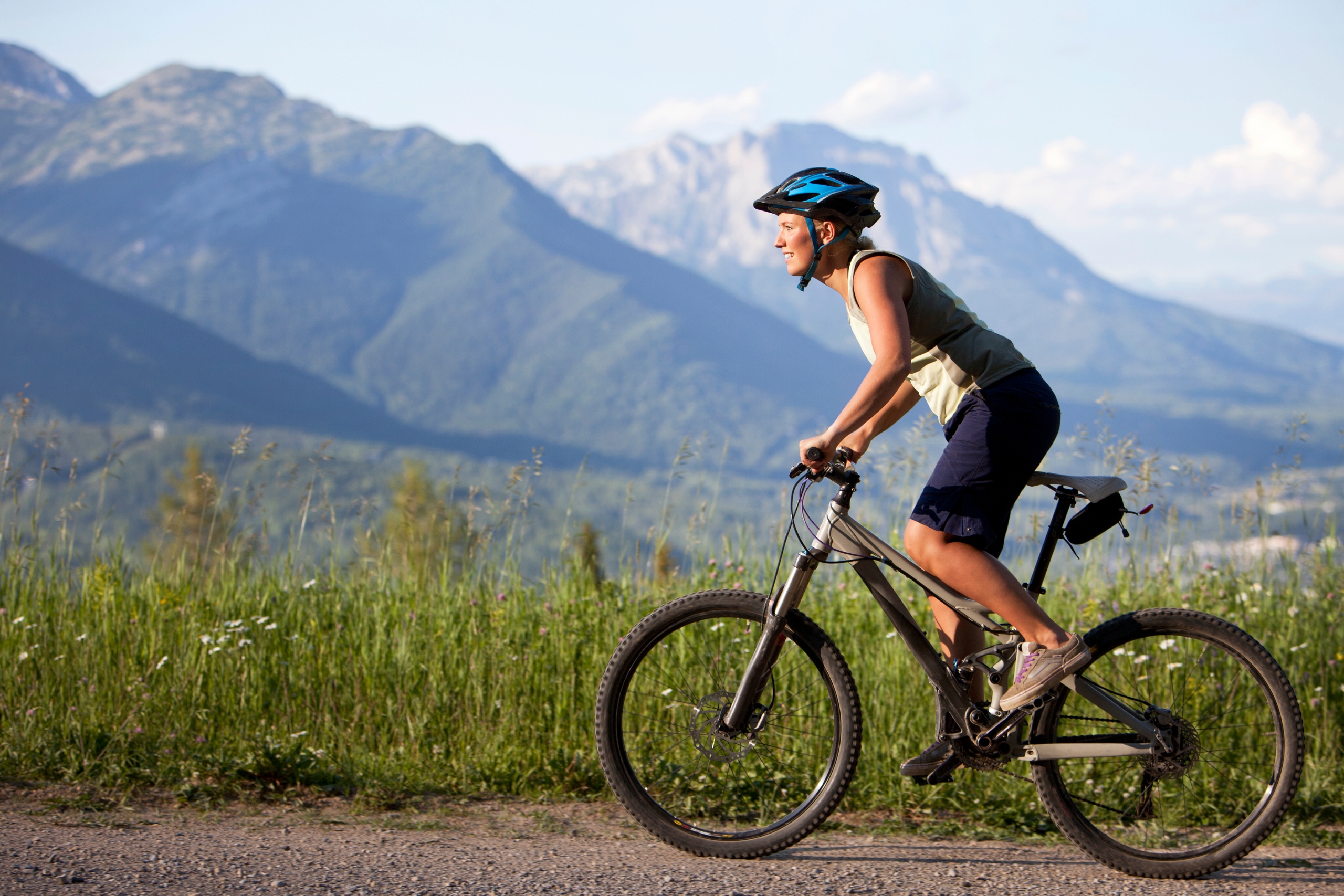
Mountain biking also fits perfectly in elevated terrain. It combines cardio with technical skill and lower-body power. In colder mountain regions, skiing and snowboarding become seasonal options that improve agility and full-body coordination.
Living in high-altitude areas can naturally improve lung capacity over time, which benefits endurance athletes. However, beginners should start slowly to adjust to thinner air.
For those exploring sports and fitness lifestyle planning based on environment, mountain regions offer physically demanding but highly rewarding activities that strengthen both body and mental resilience.
Riverside Living: Water and Low-Impact Activities
Living near a river provides excellent opportunities for water-based sports and relaxing fitness routines. Kayaking and canoeing are popular riverside activities that improve upper body strength, shoulder mobility, and core stability. These sports also promote coordination and endurance.
Fishing may not be considered a traditional sport by some, but it encourages patience, balance, and outdoor exposure. For more dynamic movement, rowing is an excellent full-body workout that builds cardiovascular endurance and muscular strength.
Riverside residents can also benefit from jogging or cycling along river trails. Many riverside areas include flat pathways, which are ideal for beginners and long-distance runners.
Stand-up paddleboarding (SUP), if the river conditions allow, provides balance training and core engagement. It is also low-impact, making it suitable for various age groups.
Water-based sports often reduce joint strain compared to land-based activities. This makes riverside environments ideal for people seeking moderate-intensity fitness routines with scenic surroundings.
Beachside Living: Cardio and Full-Body Conditioning
Living near the beach opens the door to some of the most dynamic outdoor sports. Swimming is one of the best full-body workouts available. It strengthens the heart, tones muscles, and improves lung capacity without stressing joints.
Surfing is another excellent beach sport. It requires balance, upper body strength, and strong core stability. Surfing also improves reaction time and coordination.
Beach volleyball is popular in coastal communities. Playing on sand increases muscle engagement because the surface is unstable. This strengthens legs and improves agility.
Running on sand also provides resistance training. Soft sand makes each step more challenging, which increases calorie burn and strengthens lower-body muscles.
For people seeking practical fitness ideas for active outdoor living, beach environments offer high-intensity and enjoyable sports that naturally combine strength training and cardiovascular exercise.
Urban Living: Structured and Versatile Fitness Options
City dwellers may not have mountains or beaches, but urban environments provide diverse fitness facilities. Gyms, fitness studios, and sports courts are widely accessible. This makes structured sports easier to adopt.
Basketball, futsal, tennis, and badminton are common city sports. These activities improve agility, coordination, and teamwork skills. Urban parks also provide jogging paths, outdoor workout equipment, and cycling lanes.
Indoor fitness classes such as spinning, boxing, CrossFit, or dance workouts allow city residents to stay active regardless of weather conditions. Martial arts studios are also common in urban settings.
For those with limited space, bodyweight training and apartment-friendly workouts can maintain fitness without special equipment.
City living encourages versatility. While natural terrain may be limited, structured programs and community sports clubs provide consistent options.
Suburban and Countryside Living: Balanced Outdoor Fitness
People living in suburban or countryside areas often have open spaces, fields, and quiet roads. These environments support balanced fitness routines that combine moderate outdoor activities.
Cycling on quiet roads is a popular option. It improves endurance while being easier on the joints compared to running. Walking or jogging through open fields provides stress relief and cardiovascular benefits.
Home-based sports like gardening, light farming tasks, or outdoor obstacle courses also contribute to physical fitness. Activities such as horseback riding may be more accessible in countryside areas.
Community sports leagues often thrive in suburban neighborhoods. Football (soccer), baseball, or cricket are common examples depending on the region.
Suburban living allows for flexibility. Individuals can mix outdoor natural activities with occasional trips to fitness centers.
Climate and Safety Considerations When Choosing Sports
Location is not only about terrain but also climate. People living in hot climates should avoid midday outdoor workouts and prioritize hydration. Those in colder areas need proper gear and warm-up routines to prevent injury.
Air quality also matters. Urban residents should monitor pollution levels before exercising outdoors. Riverside and mountain areas may offer cleaner air but require awareness of natural hazards.
Safety is another key factor. Water sports require proper equipment and swimming ability. Mountain sports demand knowledge of terrain and weather conditions. Urban sports may require awareness of traffic and crowded spaces.
Choosing a sport should balance excitement with practicality. Accessibility, cost, safety, and long-term sustainability matter more than trends.
Adopting a sport that matches the local environment increases consistency and enjoyment. It makes fitness feel natural rather than forced.
Conclusion
The best sport for any individual often depends on where they live. Mountains support endurance and adventure activities like hiking, trail running, and skiing. Riverside environments encourage kayaking, rowing, and low-impact cardio along scenic paths. Beachside living offers dynamic options such as swimming, surfing, volleyball, and sand running, all of which provide excellent full-body workouts. Urban environments compensate for limited natural terrain by offering structured sports, gyms, and versatile fitness programs. Meanwhile, suburban and countryside areas allow for balanced outdoor activities such as cycling, jogging, and community sports. Climate, safety, and accessibility should always guide sport selection to ensure consistency and injury prevention. When individuals choose sports that fit their surroundings, exercise becomes more enjoyable and sustainable. Rather than forcing routines that feel inconvenient, adapting to one’s environment promotes long-term commitment to health and fitness. The right sport is not only about personal interest—it is also about making the most of the place one calls home.