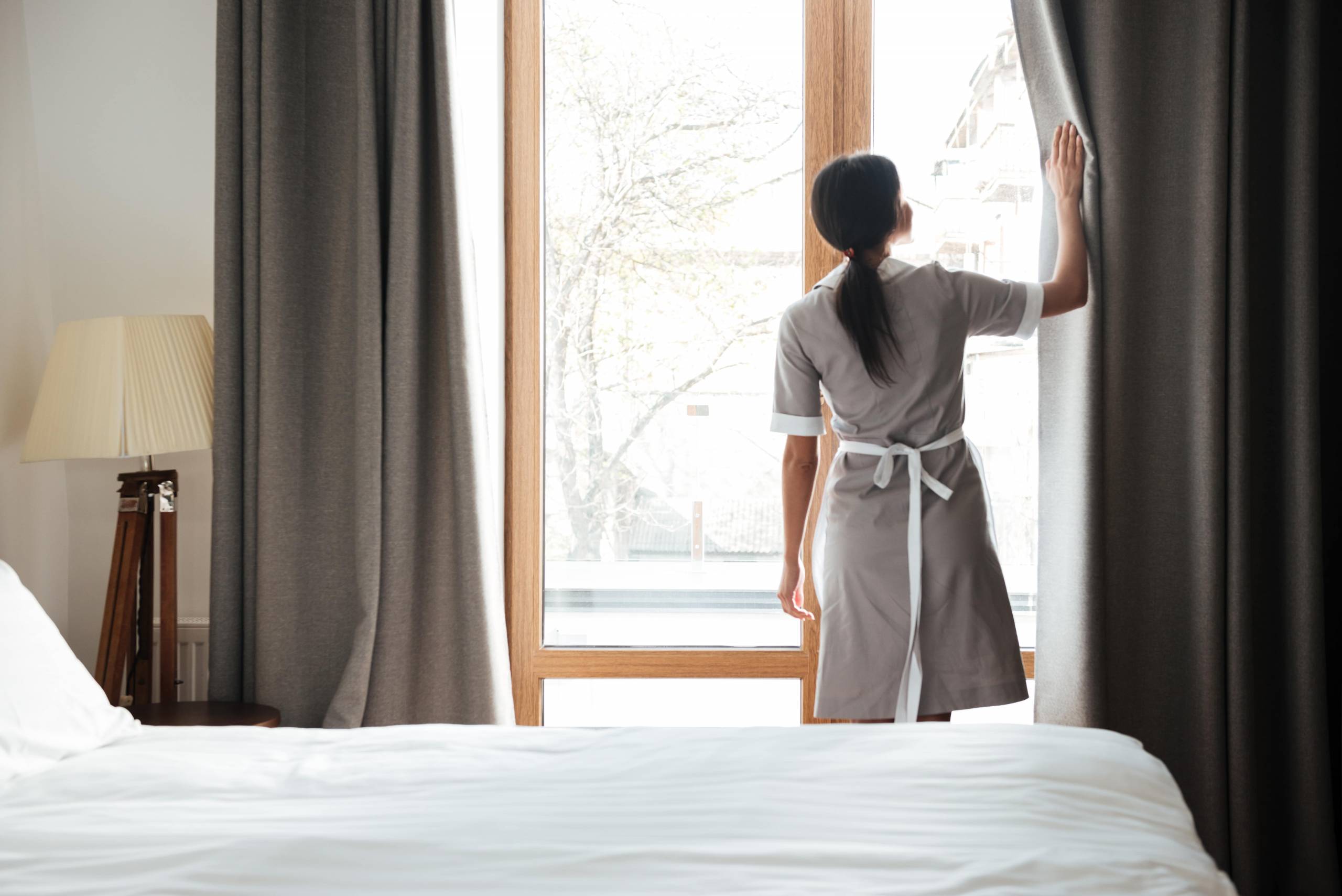
Definition Of Housekeeping
Housekeeping is often misunderstood as simply cleaning the house. In reality, housekeeping is a broader concept that includes maintaining cleanliness, organization, hygiene, and overall order within a living space. It involves daily routines, structured systems, and thoughtful management of household tasks to ensure a safe and comfortable environment. Housekeeping applies not only to private homes but also to hotels, offices, hospitals, and other facilities where cleanliness and organization are essential.
In homes, housekeeping plays a key role in promoting health and well-being. A clean and organized environment reduces stress, prevents accidents, and supports a productive lifestyle. Good housekeeping habits also extend the lifespan of furniture, appliances, and household materials.
While some people view housekeeping as a chore, it is actually a life skill. Understanding its definition and purpose helps individuals approach it more effectively. This article explains what housekeeping truly means, its responsibilities, different types, and why it remains an essential part of modern living.
The True Definition of Housekeeping
Housekeeping refers to the management and routine maintenance of a household or living environment. It includes cleaning, organizing, sanitizing, and maintaining different areas of the home to ensure they remain safe and comfortable.
The term goes beyond sweeping floors and washing dishes. It involves structured routines such as laundry management, waste disposal, decluttering, and maintaining hygiene standards. Housekeeping also includes preventive tasks like checking appliances, maintaining storage systems, and keeping living spaces functional.
In a broader context, housekeeping can refer to professional cleaning and maintenance services in hotels and commercial establishments. However, at its core, housekeeping is about preserving the quality of the environment.
Within the broader scope of home and garden organization and maintenance essentials, housekeeping serves as the foundation of a well-managed living space. Without consistent housekeeping, clutter, dirt, and disorganization can quickly accumulate.
Key Responsibilities of Housekeeping
Housekeeping responsibilities vary depending on the size of the home and the number of occupants. However, there are common tasks that define basic housekeeping.
Daily responsibilities often include making beds, washing dishes, wiping surfaces, and taking out the trash. Weekly tasks may involve vacuuming, mopping floors, cleaning bathrooms, dusting furniture, and changing bed linens.
Monthly or seasonal housekeeping tasks include deep cleaning appliances, washing windows, organizing closets, and decluttering storage areas. These periodic tasks prevent long-term buildup of dirt and unused items.
Housekeeping also involves maintaining hygiene standards. Regular cleaning reduces the spread of bacteria, allergens, and pests. This is particularly important in kitchens and bathrooms, where sanitation directly affects health.
Clear routines help make housekeeping manageable. Breaking tasks into daily, weekly, and monthly schedules prevents overwhelm and supports consistency.
Housekeeping and Health Benefits
A well-maintained home contributes significantly to physical and mental health. Clean surfaces reduce the presence of germs, dust, and allergens. This lowers the risk of respiratory issues and infections.
Organized spaces also reduce stress. Clutter can create visual chaos, which may increase anxiety and reduce focus. A tidy environment promotes calmness and productivity.
Regular housekeeping also prevents safety hazards. Removing clutter from walkways reduces the risk of falls. Properly stored items prevent accidents, especially in households with children or elderly individuals.
Kitchen cleanliness is particularly important. Proper food storage, surface sanitation, and waste management prevent contamination and pest infestation.
For readers seeking practical home care and lifestyle improvement guidance, housekeeping stands out as one of the simplest ways to improve overall well-being. It is not just about appearance—it directly impacts health and comfort.
Types of Housekeeping: Domestic and Professional
Housekeeping can be categorized into domestic and professional types. Domestic housekeeping refers to cleaning and maintenance tasks performed within private homes. This may be handled by homeowners themselves or by hired household helpers.
Professional housekeeping is common in hotels, resorts, hospitals, and office buildings. In hospitality settings, housekeeping departments are responsible for cleaning guest rooms, maintaining common areas, and ensuring hygiene standards.
Professional housekeeping requires structured systems, training, and supervision. Staff follow detailed checklists to maintain consistent cleanliness levels. In hotels, housekeeping quality directly affects guest satisfaction and business reputation.
While domestic housekeeping may be more flexible, professional housekeeping is highly standardized. Both types share the same core goal: maintaining cleanliness, safety, and organization.
Understanding these differences highlights how housekeeping functions in both personal and commercial environments.
Essential Tools and Supplies for Effective Housekeeping
Effective housekeeping requires the right tools. Basic supplies include cleaning cloths, mops, brooms, vacuum cleaners, disinfectants, and storage containers. Having proper tools improves efficiency and reduces effort.
Using the correct cleaning products for specific surfaces is also important. For example, glass cleaners differ from floor cleaners, and disinfectants vary based on usage.
Storage tools such as shelves, organizers, and labeled containers help maintain order. When items have designated places, it becomes easier to keep the home tidy.
Modern technology has also improved housekeeping. Robotic vacuum cleaners, steam cleaners, and eco-friendly cleaning products make maintenance more convenient.
Investing in quality tools saves time in the long run. Organized storage systems reduce daily clutter and make cleaning routines more manageable.
Why Consistency Matters in Housekeeping
Housekeeping is most effective when done consistently. Waiting too long between cleaning sessions makes tasks more difficult and time-consuming. Small daily efforts prevent major deep-cleaning challenges.
Consistency builds habit. When housekeeping becomes part of a daily routine, it feels less overwhelming. For example, washing dishes immediately after meals prevents pile-ups. Tidying up before bed creates a fresh start the next day.
Teaching children simple housekeeping tasks also builds responsibility. Household members who share responsibilities make maintenance easier and faster.
Consistency also protects household investments. Furniture, flooring, and appliances last longer when cleaned and maintained regularly.
A structured routine makes housekeeping less stressful. Instead of viewing it as an exhausting chore, it becomes a manageable part of daily life.
Conclusion
Housekeeping is more than basic cleaning—it is the structured management of cleanliness, organization, hygiene, and maintenance within a living space. From daily tasks such as dishwashing and bed-making to deep cleaning and seasonal organization, housekeeping ensures a safe and comfortable environment. It directly influences physical health by reducing germs and allergens, while also supporting mental well-being through reduced clutter and improved organization. Housekeeping exists in both domestic and professional settings, each requiring consistency and proper tools to maintain high standards. Effective housekeeping relies on routine, appropriate cleaning supplies, and shared responsibility among household members. When practiced consistently, it protects furniture, appliances, and overall property value. Most importantly, housekeeping supports a lifestyle built on comfort, safety, and balance. Rather than viewing it as a burden, understanding housekeeping as a life skill allows individuals to approach it with purpose and structure. A well-maintained home ultimately contributes to healthier living and a more organized daily experience.