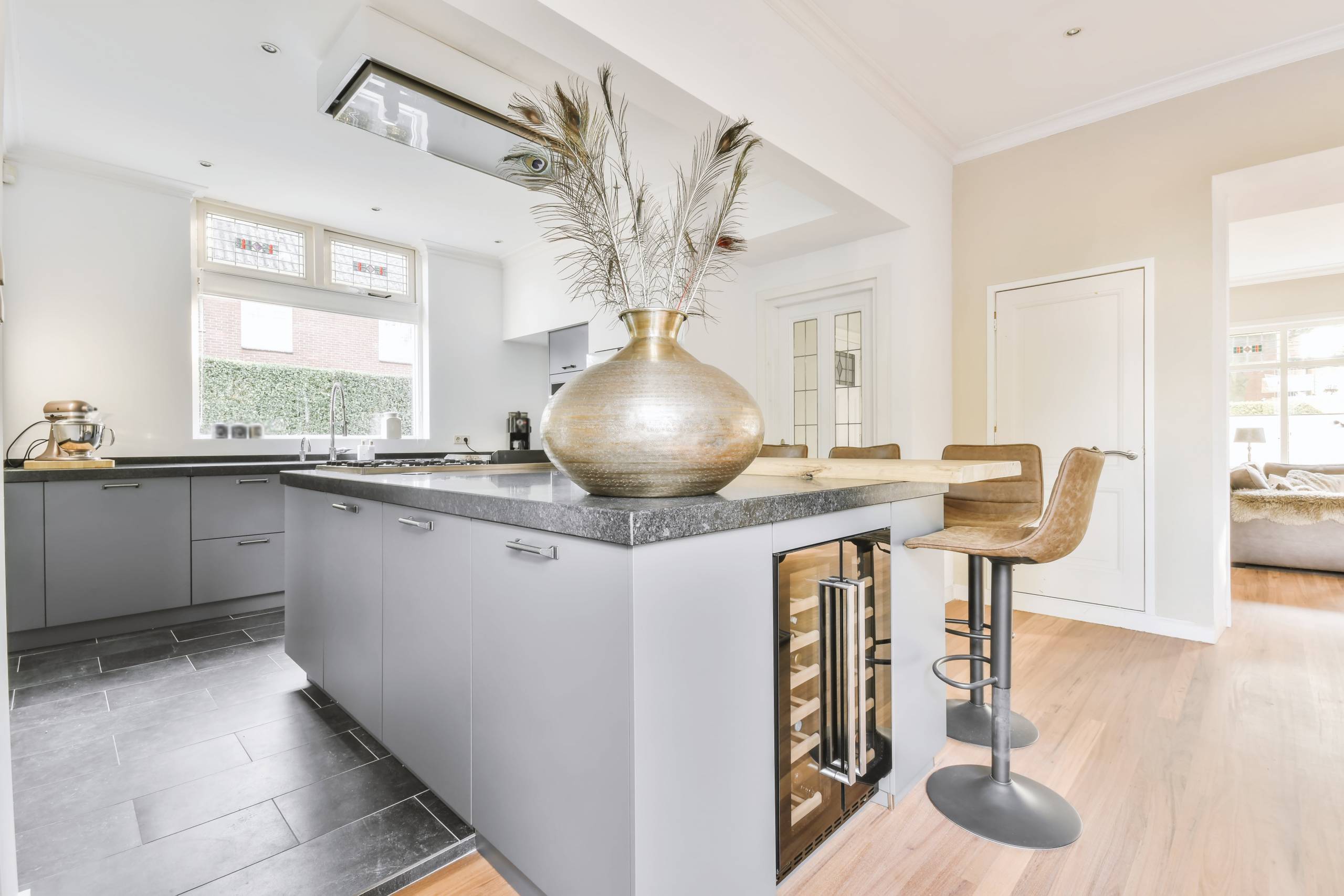
How To Setup A Bar In Your House
A home bar is one of the most enjoyable upgrades a homeowner can add to their living space. It creates a dedicated spot for entertaining guests, relaxing after work, and making drinks without needing to go out. Whether it is a small bar cart in the corner of a living room or a full built-in bar in a basement, a home bar adds both style and function to the home. It also helps transform ordinary gatherings into more memorable experiences.
Setting up a bar at home does not require expensive renovations. With smart planning, the right essentials, and a design that matches the home’s style, almost anyone can create a bar area that feels professional and inviting. The most important part is balancing aesthetics with practicality. A bar should look good, but it should also be easy to use and organized.
This guide explains how to set up a home bar step by step, including design ideas, must-have tools, drink essentials, storage tips, and ways to make the space feel personalized. It also highlights common mistakes to avoid for a smoother home bar experience.
Choosing the Best Location for a Home Bar
The first step in setting up a home bar is choosing the right location. A home bar does not need a huge space, but it should be placed in an area where people naturally gather. Living rooms, dining areas, basements, patios, and even unused hallway corners can work well.
For smaller homes, a bar cart is a flexible option. It can be moved when needed and stored away when not in use. For larger homes, a built-in bar counter can create a permanent entertainment feature.
Lighting also matters. A bar area should not feel dark or hidden. Good lighting makes bottles and glassware look more appealing and makes drink preparation easier. Many homeowners use pendant lights, LED strips, or small lamps to create a warm bar atmosphere.
The location should also be close to a sink if possible. If not, the bar can still work, but the homeowner should plan for easy cleanup and access to water.
Within the broader world of home and garden design ideas for entertaining spaces, bar placement is a key factor that determines both comfort and usability.
Picking the Right Bar Style for the Home
Home bars come in many styles, and choosing the right one depends on the home’s layout and design personality. Some homeowners prefer modern minimalist bars with clean lines and neutral colors. Others enjoy rustic wood bars that feel warm and cozy.
Industrial-style bars often feature metal shelves, exposed wood, and dark finishes. Classic bars may include rich wood tones, glass cabinets, and vintage décor. Tropical or beach-inspired bars often use bamboo textures, bright colors, and fun accessories.
The best home bar design feels connected to the rest of the home. A bar should not look like a random addition. Instead, it should blend naturally into the space while still standing out as a feature.
Homeowners can also choose between a wet bar and a dry bar. A wet bar includes a sink and sometimes a mini fridge, while a dry bar focuses mainly on storage and serving.
Style decisions matter because a home bar is both functional and decorative. It becomes part of the home’s identity.
Home Bar Essentials: Tools, Glassware, and Equipment
A home bar is only enjoyable when it has the right essentials. Many beginners make the mistake of buying too many bottles without having the tools to make drinks properly. A basic home bar should start with core tools.
Important bar tools include a cocktail shaker, jigger, strainer, muddler, bar spoon, and bottle opener. These tools allow homeowners to make classic drinks with better consistency. A citrus juicer and a small cutting board are also useful for fresh garnishes.
Glassware is another essential. A good starter set includes rocks glasses, highball glasses, wine glasses, and champagne flutes. For cocktail lovers, martini glasses or coupe glasses add a professional touch.
Optional equipment includes an ice bucket, mini fridge, blender, or soda maker. These items enhance the bar experience but are not required for a basic setup.
For readers exploring practical home improvement and lifestyle setup tips, starting with the right essentials prevents wasted spending and makes the bar feel more functional immediately.
Stocking Alcohol and Mixers Without Overbuying
Stocking a home bar can be exciting, but it is easy to overspend. The best approach is building a basic alcohol collection first and expanding over time. A starter bar usually includes vodka, gin, rum, tequila, and whiskey. These spirits cover most classic cocktails.
Wine and beer options depend on personal preference. Some homeowners keep a small selection of red and white wine, while others focus more on craft beer.
Mixers are just as important. Soda water, tonic, cola, ginger beer, and fruit juices create a wide variety of drinks. Simple syrup, bitters, and fresh lemons or limes also help expand cocktail possibilities.
It is also important to consider guest preferences. A home bar should not be stocked only for one person. Having a few versatile options ensures everyone can enjoy something.
A smart bar setup is about flexibility, not quantity. The goal is creating a useful selection rather than a cluttered collection of bottles.
Storage and Organization for a Clean Bar Setup
Organization is what separates a messy bar corner from a professional-looking home bar. Bottles should be stored upright and arranged in a way that looks clean and accessible. Many homeowners use open shelves, cabinets, or bar carts with multiple levels.
Glassware should be stored safely, preferably in cabinets or hanging racks. Hanging wine glass racks create a stylish bar look while saving space.
Bar tools should be stored in a tray or container so they are easy to find. A cluttered bar area can feel stressful, especially during gatherings.
If the bar includes snacks or garnishes, small storage jars and labeled containers help keep everything neat. A mini fridge can store mixers, citrus, and chilled drinks.
For homeowners with limited space, vertical shelving and wall-mounted storage can be extremely useful. A compact bar can still look luxurious when organized properly.
A clean setup makes the bar more inviting and easier to maintain long-term.
Adding Personal Touches and Creating a Bar Atmosphere
A home bar is not just about drinks—it is about atmosphere. Personal touches help the bar feel like part of the home rather than a basic storage area. Décor can include framed art, neon signs, vintage posters, or stylish mirrors.
Lighting is one of the most powerful design elements. Warm lighting creates a cozy lounge feel. LED strips under shelves can highlight bottles and add a modern vibe.
Music also matters. Many homeowners add a small speaker or integrate smart home audio. Playing music during gatherings makes the bar feel more alive.
Another fun idea is creating a signature cocktail menu. A small chalkboard sign with drink suggestions adds personality and makes hosting easier.
For readers seeking modern home and garden inspiration for stylish living, the home bar becomes a feature that reflects lifestyle, creativity, and social enjoyment.
Conclusion
Setting up a home bar is one of the most enjoyable ways to upgrade a living space for entertaining and relaxation. With the right location, a bar style that matches the home, and a well-planned selection of tools, glassware, and drink essentials, homeowners can create a bar area that feels both stylish and functional. Stocking alcohol and mixers wisely prevents overspending, while smart storage and organization keep the setup clean and easy to use. Adding personal touches such as lighting, décor, music, and signature drink ideas transforms the bar from a simple serving area into a true entertainment feature. A home bar does not need to be expensive or large to feel impressive. Even small spaces can support beautiful bar setups with the right planning. The goal is creating a space that fits the home’s lifestyle and makes gatherings more enjoyable. With thoughtful design and practical essentials, a home bar can become one of the most used and appreciated areas in the house for years.